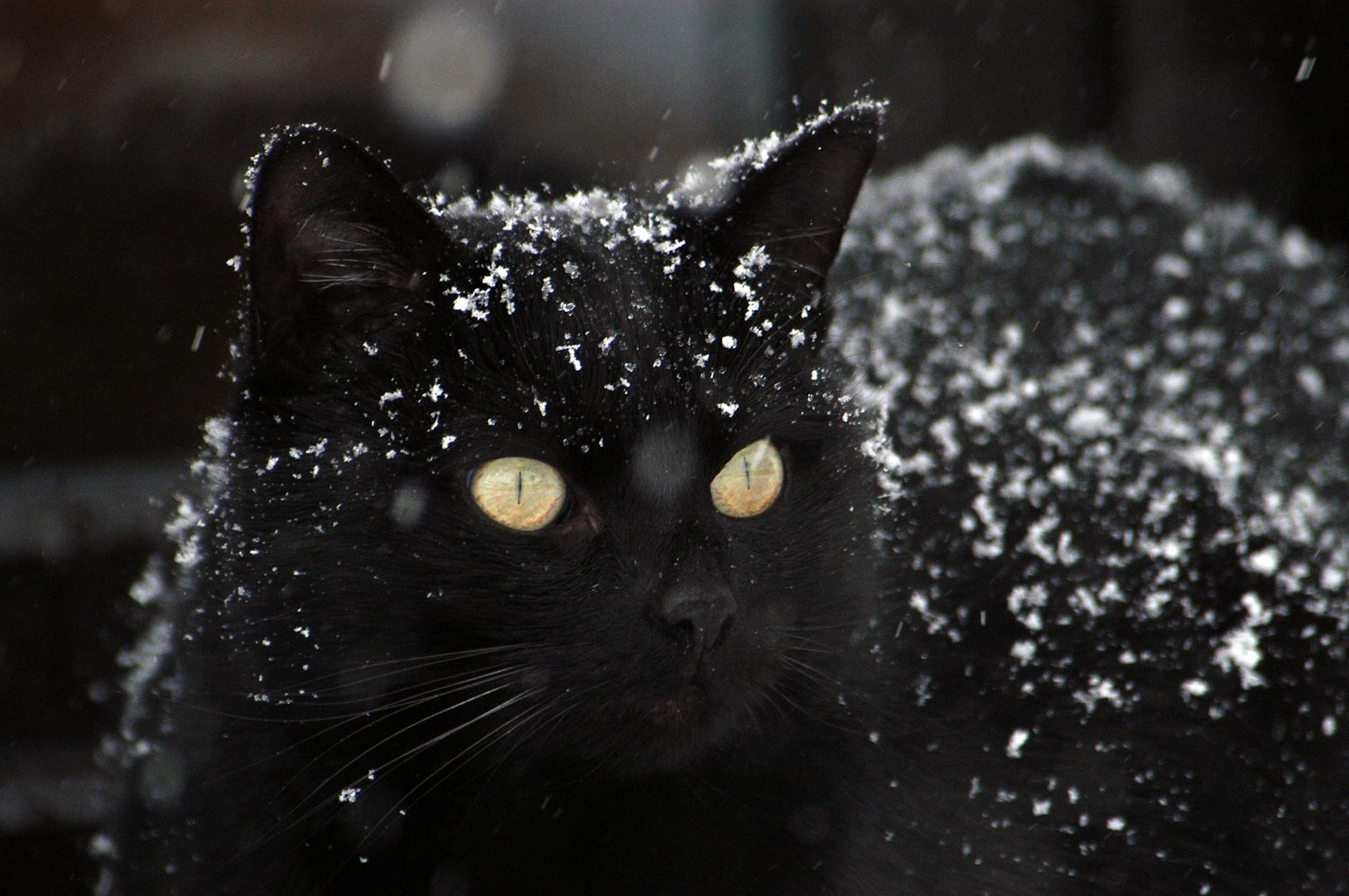
Though winter is one of the best times to cuddle up with the canine friend and keep each other warm, venturing out in the freezing temperatures can explore the pet to a wide range of potential dangers. All pets have unique needs when it comes to dealing with cold weather.
Some pets are adept at dealing with the cold temperatures, while others are vulnerable to the elements. No one knows better than you what your pet needs the best in winters, and enjoy it to the fullest without any threat. Following are some useful tips that you need to keep in mind to enjoy that your pet remains safe and sound in winters.
Look After the Food Intake of the Pets
Similar to humans, pets also rely on calories to get energy. And we all know that pets drive energy from the food, and it also fuels different physical activities that enable them to remain warm, like shivering and exercising. The amount or number of calories for the pet depends on the pet’s overall weight and coat type.
In winter, pets with hairless coats or less body fat need more calories to maintain body heat. While pets with high body fat density and thick coats need less calories, they are already more protected from the cold and do not need to expend more energy. So, first, know and choose accordingly.
Protect the Paws
Irrespective of the extreme temperature outside in winter, pets need to spend time outdoors for their daily life routine, like exercise or potty sessions. But this means conquering rough and icy sidewalks filled with rock salt as well as for deciding chemicals. Buy a paw protector that works as a barrier between the sensitive paw pads and cold surfaces.
Along with preventing damage, paw protectors also help in restoring moisture or cracked paws that are very painful for the pets. As an alternative, you can also consider placing booties for an extra layer of protection. Just make sure that your pet is comfortable wearing them.
Get Familiar with the Signs of Hypothermia and Frostbite
Though rare, hypothermia and frostbite can be fatal when exposed to extreme cold weather. Thus, you need to limit the time of your pets outdoors and watch out for the signs and symptoms.
Hypothermia
Is a medical condition that happens when your pet exhibits low body temperatures that are way lower than the normal one. Your pet might show symptoms of muscle stiffness, breathing problems, weakness, and even coma.
Frostbite
In frostbite, the skin of the pets gets damaged. Some potential signs include discolouration of the skin into black and grey around the affected skin area, dead skin patches, swelling, coldness, and blisters.
In case you see any of these symptoms, take them to a warm and dry area and get an appointment with your veterinary expert immediately. You can install an invisible dog fence in the garden or in the backyard that will restrict your pet from going distant and spending more time outdoors. This will also restrict their movement on the area that paves the way to the outdoors if you can install it right on the entry point of the backyard for the pet.
Always Have a Contingency Plan
While working and creating emergency kits for power outages or storms, never forget to prepare for the requirements of your pets as well. The kit should include essentials to keep them warm, well-fed and secure during emergency circumstances like extremely cold or blizzards.
Having insulated vests, sweaters, pet-safe ice melt, paw booties, and a heated bed will be quite helpful in avoiding risks that happen because of freezing temperatures. You also need to pay attention to other useful items like waste bags, litter box supplies, puppy pads and calming spray.
Continue With the Grooming
You might get tempted to leave the pet’s coat alone during extreme weather conditions, but winter is actually a very critical time for grooming. You must comb the pet’s coat at regular intervals to work through the tangles and mats. If you wait till spring, it will only make combing more difficult as well as painful.
Trimming the hair on the pet’s paws also helps prevent chemicals and slat from getting stuck in it. It is because regular bathing helps prevent dry skin and helps to upkeep with the overall health of the pet.
Having precautions and preparing yourself to deal with the winter will ensure that your pet remains safe and sound. All you need is to be more alert and spend a few more minutes on adding a layer of security to the overall routine of the pets.